Caffeine Can Improve Athletic Performance
Caffeine & Athletic Performance: Its Ergogenic Effects on Endurance, Strength and Power
Caffeine is one of the most extensively studied and effective ergogenic aids in sports science. Numerous studies show that caffeine supplementation can improve performance both in endurance events (running, cycling, triathlon) and in strength or power events (sprint, weightlifting, CrossFit, team sports).
Unlike many supplements that primarily affect a single mechanism, caffeine acts simultaneously on the Central Nervous System (CNS), the muscular system and energy metabolism, while also reducing the perception of fatigue. This is why it is considered one of the most reliable ergogenic tools for athletes aiming to improve performance with an emphasis on health.
A little theory: What is caffeine and how does it work in the body?
Caffeine is a natural CNS stimulant (methylxanthine). It is rapidly absorbed by the gastrointestinal tract and crosses the blood–brain barrier, directly affecting brain function and neuromuscular performance.
- Onset of action: approximately 15–30 minutes
- Peak blood concentration: approximately 45–90 minutes
- Ergogenic duration: 3–4 hours
- Half-life: 3–6 hours (depends on the individual, metabolism and tolerance)
In practice, this means that choosing the right timing is crucial, especially when we are talking about races or key training sessions.
How caffeine works in the Central Nervous System (CNS)
Blocking adenosine (the fatigue signal)
Caffeine’s primary mechanism of action is blocking adenosine receptors in the brain. Adenosine is a neurotransmitter that increases the sensation of fatigue and drowsiness. By blocking it:
- the perception of fatigue (perceived exertion) is reduced
- alertness and concentration increase
- psychomotor performance and reactions improve
Simply put: at the same exercise intensity, you feel less tired.
Increasing epinephrine (adrenaline – “fight or flight”)
Caffeine may increase the release of epinephrine (adrenaline), activating the “fight or flight” response. This is associated with:
- increased readiness and “drive”
- faster reactions
- better neuromuscular activation
- the ability to sustain greater intensity during sprint/HIIT
Effects on the muscular system: neuromuscular activation and power
Caffeine does not act only “in the head”. It also affects the neuromuscular system, contributing to motor-unit activation and muscle-fibre recruitment. This can translate into:
- better force production
- increased power (power output)
- improved explosiveness in power movements
This is why caffeine is often used in strength training, CrossFit and sports that require rapid force production.
Caffeine and endurance events
During prolonged efforts (running, marathon, cycling, trail, triathlon), caffeine may help in two main ways: it reduces the perception of fatigue and enhances energy availability.
Fat oxidation and muscle glycogen sparing
Caffeine may increase lipolysis (fat breakdown), leading to greater use of fat as fuel. This helps preserve muscle glycogen for longer, which is crucial in prolonged events.
Endorphins and exercise tolerance
Increased beta-endorphin levels may improve mood and reduce the perception of pain, which can often help you tolerate higher intensities.
Thermogenesis and metabolism
Caffeine may slightly increase thermogenesis and metabolic rate, which is associated with greater energy availability. In hot conditions, however, caution is required due to a possible increase in thermal stress.
Caffeine dosage for athletic performance (a practical framework)
The most commonly recommended dose for an ergogenic effect is:
3–6 mg of caffeine per kilogram of body weight approximately 30–90 minutes before the effort.
- 60 kg: 180–360 mg
- 70 kg: 210–420 mg
- 80 kg: 240–480 mg
Higher doses do not always mean better performance and often increase the likelihood of side effects.
Timing: When should you take it?
- Coffee/capsules: usually 45–90 minutes beforehand (depending on the individual)
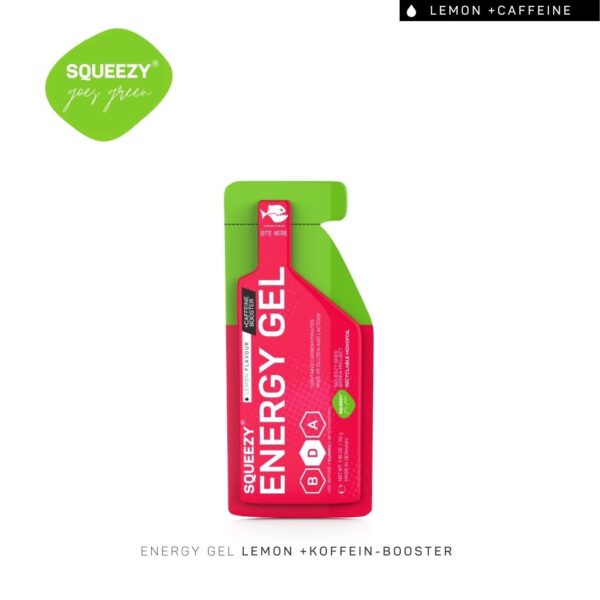
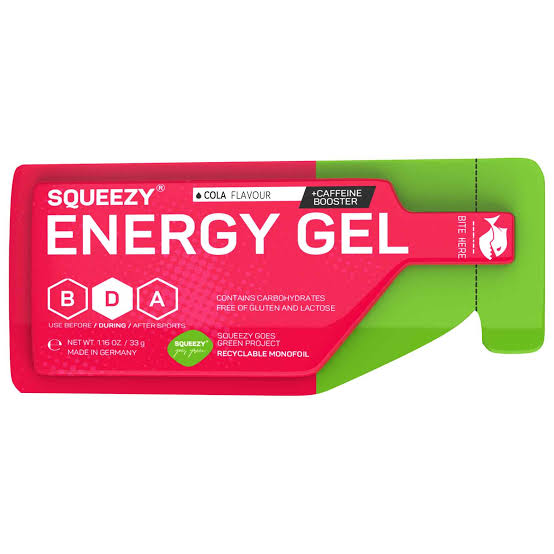
- Caffeinated gels/liquids: often 15–30 minutes beforehand, due to their more rapid practical use
During prolonged events, a small repeat dose may also be used (depending on duration, tolerance and fuelling strategy).
Caffeine tolerance and “abstinence” before a race
Daily caffeine consumption may reduce its ergogenic effect due to tolerance. Many athletes reduce or avoid caffeine for 3–7 days before a key race, so that they can experience a stronger effect on race day. This is not necessary for everyone, but it can be a useful strategy when tolerance is high.
Forms of caffeine used by athletes
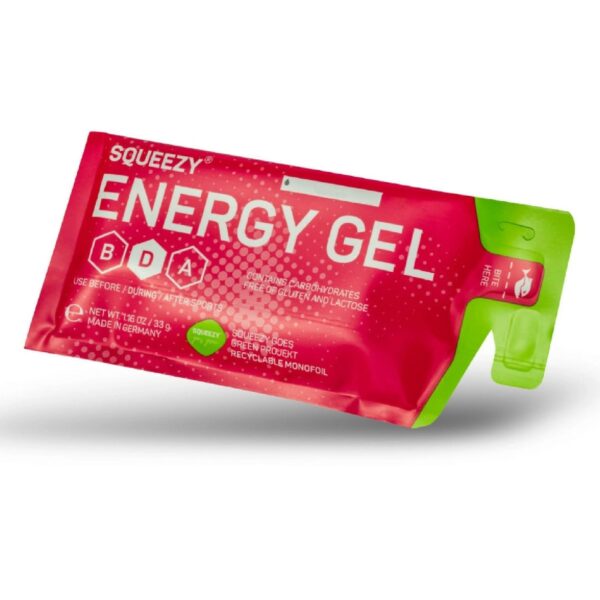
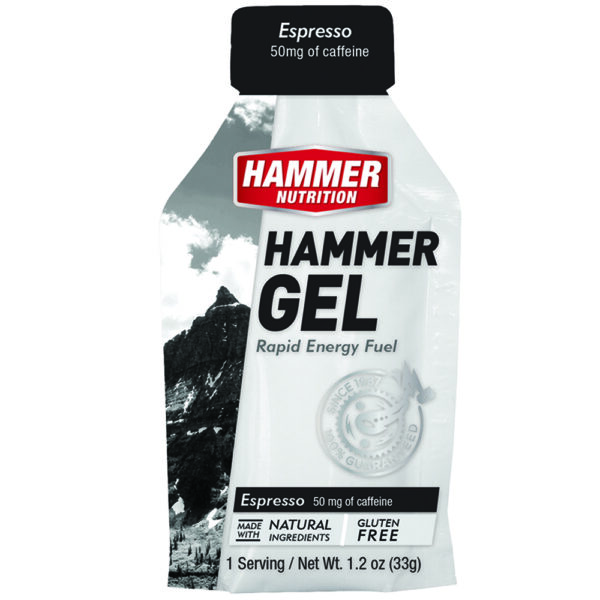
- Energy gels with caffeine
- Sports drinks with caffeine
- Caffeine capsules (precise dosage)
- Coffee (less precise dosage, variable content)
For race use, gels/capsules are often more “controlled” options due to their consistent dosage.
Important warnings: try it in training first
Individual responses to caffeine vary and are influenced by genetic factors, tolerance, stress levels and sleep. Possible side effects include tachycardia, nervousness, gastrointestinal discomfort and sleep disturbances.
Key rule: Never try it for the first time in a race. Test the product, quantity and timing during training and smaller races before your key event.
Conclusion
Caffeine is one of the most effective ergogenic aids for endurance, strength and power athletes. With the right timing and an individualised dosage, it can reduce the perception of fatigue, increase alertness, improve neuromuscular activation and support performance during training and competition.
Before the race: 3–6 mg/kg, 30–90 minutes beforehand.
Caffeinated gels/drinks: ideally before the effort or strategically during prolonged events, always tested in training.