
15 SIMPLE WAYS TO IMPROVE YOUR ATHLETIC PERFORMANCE
To improve athletic performance, properly fueling your body before, during, and after exercise requires personal experimentation to find the ideal fueling plan that is right for you.
There are no generalizations or “golden rules.” We are all “experiments of one” when it comes to fueling during exercise. Through trial and error, you should determine what works best for you. However, there are some basic guidelines that will allow you to avoid relying on assumptions, guesswork, or advice from “expert” friends, etc. This makes it easier to plan your fueling correctly, allowing you to enjoy higher-quality training sessions and better race performances.
Some of these guidelines may initially seem surprising, as they contradict several widely held “myths.” There are many different strategies, particularly regarding fluids, calories, and electrolytes during exercise, both in terms of the quantity and the type of ingredients recommended during exercise.
Bill Misner, Ph.D, a distinguished scientist and long-distance athlete, emphasizes:
The human body has so many survival mechanisms designed to keep us alive “one more minute” that, when we try too hard to meet all its needs, we may interfere with them to an extent that does more harm than good. If I try to replace all the fuel I burn at a rate of 700-900 calories per hour, I become bloated, vomit, develop diarrhea, and will certainly finish the race walking or lying down at an aid station. If I try to replace all the fluids lost in one hour, I end up in the first-aid tent with symptoms of dilutional hyponatremia. If I replace the sodium my body loses at a rate of 2 g/hour, I will end up with swelling in my hands, eyes, ankles, and feet—symptoms of hypernatremia.
At a mild exercise intensity, metabolism increases by 1200-2000% compared with rest. As a result, the body enters a “survival mode,” where a large volume of blood is directed toward the muscles, fluids are used by the cooling mechanisms, and oxygen is directed toward the brain, heart, and other internal organs. Our body focuses on these mechanisms rather than replacing electrolytes, calories, and fluids.
The truth is that you do not need to suffer the adverse effects of poor fueling, whether we are talking about insufficient or excessive fueling or poor-quality “foods.”
If you follow our recommendations, you will avoid conditions that are detrimental to your performance and harmful to your health, and you will achieve better performances in training and races. These recommendations are rooted in science and have been tested repeatedly (and repeatedly and repeatedly) over several years, in collaboration with leading endurance athletes. You have nothing to lose and a great deal to gain by trying them.
1. Keep fluid intake during exercise between 500-800 ml per hour.
There is a great deal of misinformation surrounding hydration, which is genuinely concerning because overhydration has serious consequences for the body’s physiology and athletic performance. Acute overhydration can cause hyponatremia (low sodium levels), which in extreme cases can even lead to coma.
Generally speaking, under normal conditions, most athletes will meet their hydration needs with fluid intake in the range of 600-700 ml/hour. Athletes exercising in cool weather or those with a lower body weight can consume less fluid, while heavier athletes or those exercising in very hot and humid conditions need more. You are certainly sweating more than this, but you cannot replace all the fluid you lose. That is why we use the term replenishment rather than replacement! Forget advice such as “drink as much as you lose” or “drink even when you are not thirsty”—it is simply wrong.
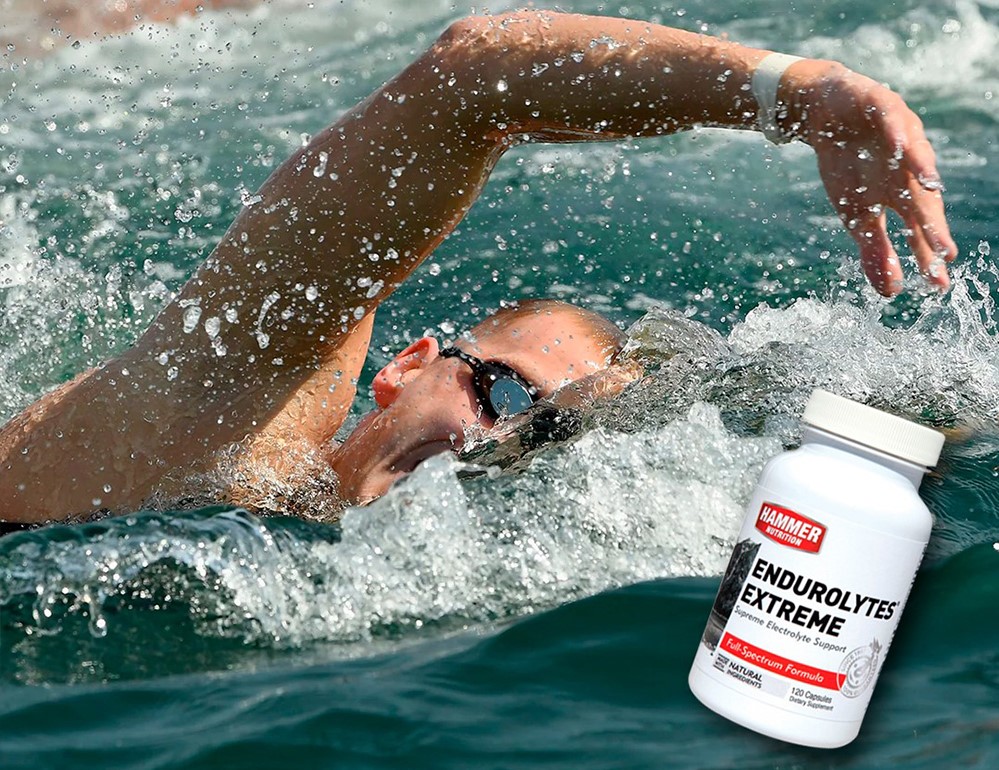
2. Limit calorie intake to 280 cal/hour or less during exercise.
Your body cannot process calorie intake equivalent to your energy expenditure. Athletes who try to replace all the fuel they burn (700-900 calories per hour) will probably end up with bloating, nausea, vomiting, and/or diarrhea. Does that sound like a good strategy? Of course not.
If you want to achieve better performances, fuel your body with the amount it can assimilate during exercise. Fat stores will cover the negative energy balance and help you cope even with races lasting more than 24 hours. For average-sized athletes (approximately 72 kg), 240-280 cal/hr is a good strategy. For lighter athletes (65 kg), even 180 cal/hour may be sufficient, while heavier athletes can perhaps experiment with 300 calories/hour.
3. Avoid simple sugars in your fuel! Use only complex carbohydrates.
You have heard the phrase “garbage in, garbage out,” right? Simple sugars (glucose, sucrose, fructose, dextrose, and simple sugars whose names generally end in “-ose”) are garbage. They are ineffective exercise fuels and dangerous to your health when consumed regularly in your diet. They have no place in your body.
This raises the question: “Why do companies include these types of sugars in their products?” Most likely because simple sugars are inexpensive, sweeten the product, and make the label attractive to readers: “Packed with XX carbohydrates per serving.” But examine the nutrition panel carefully to find out what you are actually getting.
Simple sugars will give you energy peaks, but also sudden crashes. They also have a serious absorption limitation. To be easily digested, they must be mixed with fluids at low concentrations, which means that you can effectively absorb only about 100 calories/hour. You can consume more, but it will not be absorbed. The only thing it may offer you is gastrointestinal distress.
Complex carbohydrates, however, can be absorbed at concentrations three times higher than simple sugars. That means approximately 280 cal/hour. You can now have a smooth, steady, and reliable energy source without energy peaks and crashes. Complex carbohydrates contain, as part of their structure, a small percentage of one or two simple sugars. There is a significant difference, however, in how your body reacts to these sugars when they are “part of the whole” rather than an isolated source added to a product as a separate ingredient.
Regarding the relatively recent products with “multiple carbohydrate sources,” studies have shown that a carbohydrate blend had a positive effect on performance. A closer examination, however, shows that these studies were conducted mainly on cyclists exercising at an intensity of only 50-55%—an intensity corresponding to recovery pace rather than race pace. To put it plainly, at a relaxed 50% of VO2max, athletes can digest cheeseburgers and pizza without gastrointestinal problems. Therefore, the question is not whether the results of these published studies are valid, but whether they apply at a faster pace and during longer-duration exercise.
4. Exercise lasting 2-3 hours or more requires protein.
Carbohydrates alone will not meet all your energy requirements during long-duration races or training sessions. Protein will provide approximately 10% of your energy needs.
You have two options:
1. Use a fuel such as Sustained Energy or Perpetuem, which contains complex carbohydrates and soy protein.
2. Allow your body to break down muscle protein (muscle protein breakdown) to obtain the essential amino acids it needs.
Choose the first option. Good choice!
5. Use soy protein, not whey, during exercise.
Whey is an excellent source of protein when used at the right time: after exercise. Do not use it before or during exercise, because the glutamine it provides quickly leads to ammonia production. Ammonia accumulation is a major factor in muscle fatigue, and your muscles are already producing ammonia when you exercise. Do not make matters worse.
There is some confusion regarding glutamine and ammonia. Yes, glutamine eventually “neutralizes” ammonia. The key question, however, is “when does this happen?” Although glutamine metabolism initially increases ammonia, it subsequently neutralizes more ammonia than was initially produced, helping with recovery—but this takes approximately three hours. Again, since you are already producing ammonia during exercise and ammonia is a major contributor to fatigue, you would not want to increase ammonia levels during exercise. However, this is exactly what happens when you consume glutamine supplements or glutamine-enriched whey protein during exercise.
Soy or rice protein provides the protein you need with minimal additional ammonia production. After exercise, when ammonia production is no longer an issue, whey protein is an excellent recovery and immune-support supplement, as it helps rebuild muscle tissue and resynthesize muscle glycogen.
6. Use liquid fuels as your primary energy source, even during prolonged training and races.
There is nothing wrong with consuming solid food during prolonged exercise. It provides a pleasant change from the monotony of consuming liquid foods, but you should:
Choose foods with little or no refined sugar, glucose syrup, or fructose, and low in saturated fat. The idea that “I am a calorie-burning machine, so I can eat whatever I want” can only be wrong. What you put into your body largely determines what you can get from it. Remember: garbage in, garbage out!
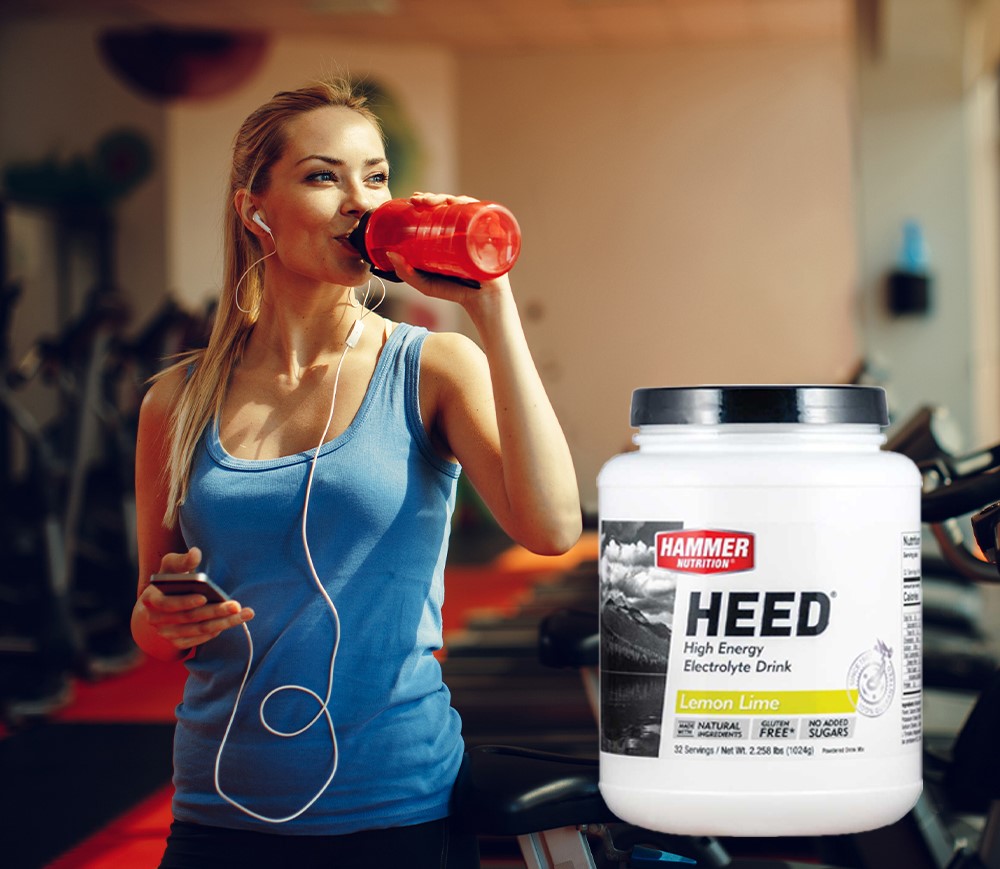
Solid food is more difficult to digest than liquids and requires more time, water, and electrolytes. Liquid fuels are also more easily digested, helping you avoid unwanted problems. Above all, avoid all foods containing saturated fats and processed sugars at all times. Trust us: during the final stages of the race, you will be glad you did not eat any of these foods earlier in the race.
7. Replenish electrolytes during exercise.
Proper electrolyte replenishment during exercise is a very important issue. Think of your body as an engine in which fuel represents your energy stores and electrolytes represent engine oil. If you neglect the oil, the engine will soon catch fire! Cramps, spasms, irregular heartbeat, and dizziness are some of the symptoms.
8. Do not rely on salt or salt tablets to meet your electrolyte needs.
Electrolyte replenishment does not mean replenishing sodium chloride. Sodium chloride, or salt, is indeed an important component of electrolyte replenishment, but it does not meet all requirements. Calcium, magnesium, and potassium must also be replenished, as all these minerals are essential for many important bodily functions.
Most of us get more than enough salt from our daily diet, and most athletes have a reserve of more than 8,000-10,000 mg in their body tissues. In other words, when you start your race, you already have a huge sodium chloride reserve.
Keep in mind that excessive intake can have as many negative effects as insufficient replenishment. We have observed that far too many athletes take in more salt than their bodies need during exercise, while there are also many who focus only on calories and fluids and consequently suffer from all the symptoms caused by electrolyte depletion.
Proper replenishment is the key. How much salt is enough? The rate of electrolyte loss varies significantly from person to person and also depends greatly on factors such as weather conditions. You should experiment and find your own replenishment rate according to the weather conditions and duration of exercise. As a starting point, 200-400 mg of sodium chloride per hour, as part of a full-spectrum electrolyte product, is a good place to begin. This is the amount you will get from 2-4 Endurolytes capsules or approximately 1-1.5 Endurolytes Fizz. There will certainly be occasions when 100-200 mg of salt will be entirely sufficient. During training sessions or races in high temperatures, it may be necessary to consume 500-600 mg/hour.
9. Do not use any new supplement/energy product or fueling protocol in a race without first testing it in training.
This is a basic rule for all athletes. Unless you are absolutely desperate and willing to accept the potential negative consequences, do not try anything new during a race, whether it involves equipment, fueling, or race tactics. All of these should have been tested and refined in training.
Hammer Nutrition products are designed to work easily together. You have all the flexibility you need to adapt and plan a fueling program for any race, regardless of the conditions. You should never take anything from an aid station unless you have tested it in training and incorporated it into your fueling plan.
10. Be flexible with your energy intake during a race, keeping in mind that what worked well in training may not be suitable under certain race conditions.
The calorie intake that worked during training may not be appropriate during a race. You may need to consume slightly less energy during a race. Why? Increased stress, a faster pace, and increased dehydration all contribute to reduced digestive-system function. In addition, as your pace increases during a race, more blood is diverted away from digestion and directed toward maintaining muscle performance. It is essential to have a planned fueling strategy, but do not become its slave.
11. Fuel your body with carbohydrates and protein as soon as possible after every training session.
Remember that training does not end when you stop exercising, but when you have consumed your post-workout meal. Just as important as your training itself (muscle fatigue and nutrient depletion) is what you do immediately afterward (muscle rebuilding and energy restoration). If you neglect to refill the tank, you will not receive the full value of all the hard work you have just done!
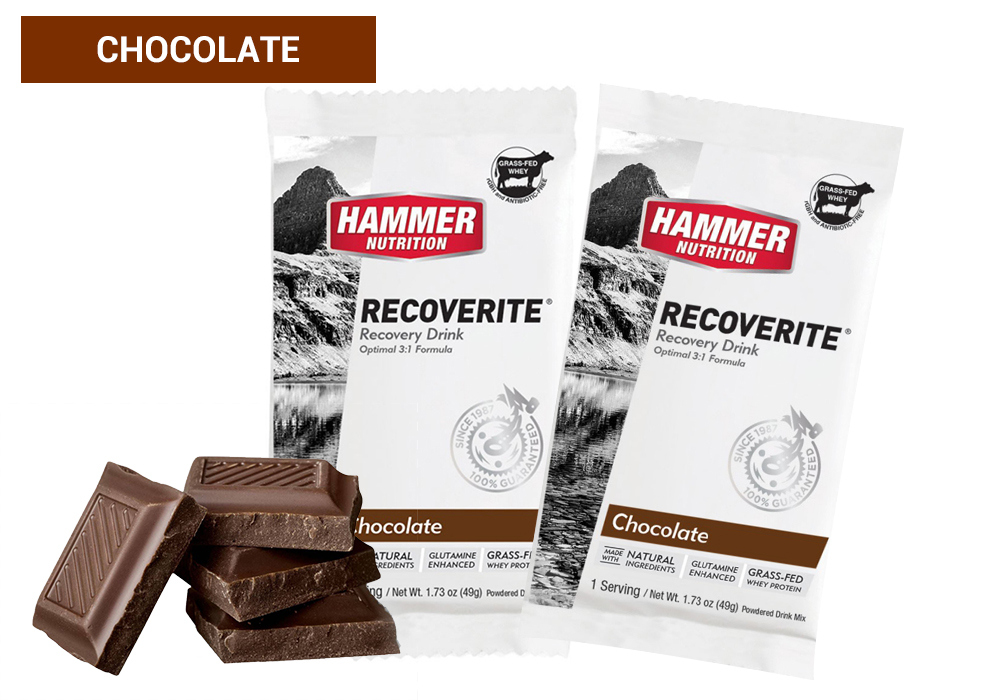
Fitness improvement is inhibited, or at least reduced, if you ignore your body’s need to replenish its energy stores. Immediately after exercise, your body is more receptive and will respond wonderfully to a proper recovery meal. It recovers faster and more effectively and “learns” how to store available fuel more efficiently.
An ideal and convenient source of nutrients after training is Recoverite, with a ratio of complex carbohydrates to protein of 3:1.

12. Do not overconsume food the night before a race in an attempt to “carbo-load.”
It would be great if you could maximize your muscle glycogen stores the night before a race, but human physiology does not work that way. Increasing and maximizing muscle glycogen stores requires many weeks of consistent training and proper post-exercise fueling. Excess carbohydrates consumed are usually stored as body fat. Therefore, do not overdo it at an otherwise enjoyable pre-race pasta party. Eat until you are satisfied, but no more.
13. For training sessions and races lasting 60 minutes or more, finish your pre-race meals 3 hours before the start.
Let us assume that you have trained properly and, through proper nutrition, etc., have created that much-desired and useful muscle glycogen store. Do not undermine it by eating anything one or two hours before the start of the race!
Do you know what happens when you eat up to three hours before exercise? The energy consumed activates the mechanisms that cause your muscle glycogen to be burned more quickly. While this may not be disastrous for long-duration races, it certainly does not help improve performance!
For shorter training sessions and races, an accelerated rate of muscle glycogen depletion is not a problem and may even enhance performance. Carbohydrate intake will increase glycogen utilization, with all the positive effects this can have on athletic performance. This is exactly what you want for a short race. If you eat something 1-2 hours before the start of a short race, insulin is released, which “opens the gates” for faster glycogen utilization. This is beneficial when the training session or race lasts up to 90 minutes.
14. Do not sacrifice sleep to eat a pre-exercise meal.
It is certainly a good idea to eat at least three hours before the start of your training session or race.
“My race starts at 7 a.m.! Are you telling me to get up at 3 a.m. just to eat?”
Well, you could do that, but it is not necessary. What about the meal you had before going to bed? The meals from the previous day, etc.? The energy is already stored in your muscles. In the morning, your mind may be saying, “I’m hungry,” but your muscles are saying, “We’re ready—let’s go!”
Conclusion: do not sacrifice sleep for just one meal. If you have an early-morning training session or race, the best strategy is:
Eat a high-quality meal the night before (this enhances liver glycogen stores).
Get enough sleep.
Take 100-200 calories of easily digestible fuel without simple carbohydrates (1-2 Hammer Gel) 5-10 minutes before the start of the race.
That is correct: 5-10 minutes before, not one or two hours before. Timing is key. If you need to eat before the start of your training session or race, you should finish eating three hours beforehand. If this is not possible (morning training session or race), take in energy 5-10 minutes before. This way, you will not use up your valuable glycogen stores too quickly.
15. Consume appropriate amounts of high-quality food for your pre-exercise meal.
The goal of the pre-race meal is to replenish the liver’s glycogen stores, which have been depleted during sleep. You do not need to eat 600, 800, or 1000 calories, as some would have you believe. A 200-400-calorie meal consisting of complex carbohydrates and perhaps a small amount of soy or rice protein, low in fat and fiber, is ideal. This meal should be consumed three hours before the start of the race or training session. You cannot add anything to your muscle glycogen stores a few hours before the race. Therefore, consuming larger amounts is simply counterproductive.
Good training!
Written by: Steve Born, Hammer Nutrition Fueling Expert
Translation and editing: Georgios Vavritsas, MSc. Sports Science